
Knee osteoarthritis exercises to strengthen the joint and relieve pain, along with the causes and symptoms of osteoarthritis, the role of physical therapy, and the most prominent herbs used in Egypt.
What is knee osteoarthritis?
Knee osteoarthritis is the gradual wear and tear of the articular cartilage that lines the ends of the knee bones, causing the bones to rub together and resulting in increasing pain with movement. It is classified from Grade I (early stage) to Grade IV (severe osteoarthritis with complete cartilage loss) according to the Kellgren-Lawrence classification.
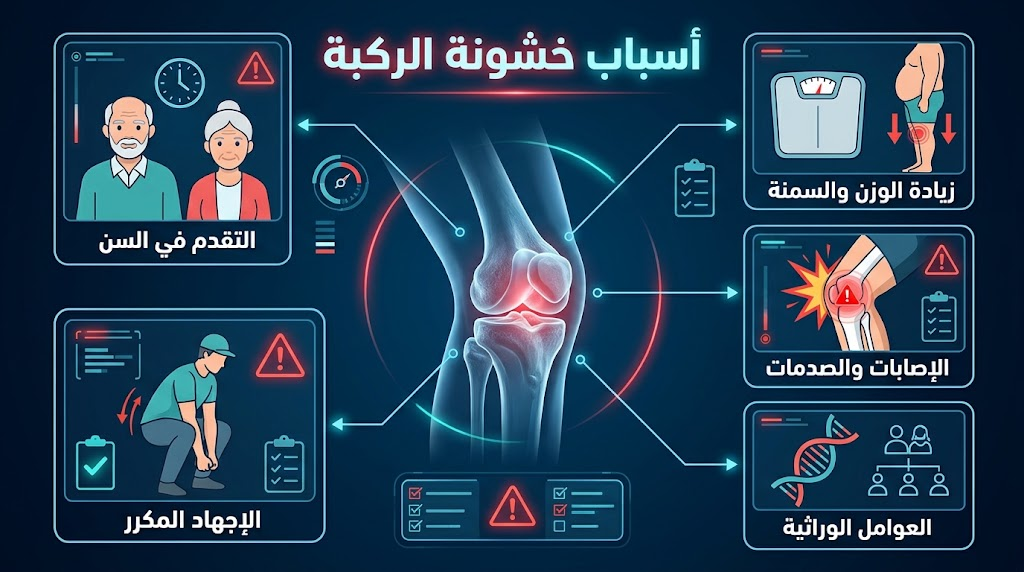
Causes of Knee Osteoarthritis
| Cause | Details | Modifiability |
| Aging | Usually begins after the age of fifty. | Non-modifiable |
| Obesity | Every extra kilogram doubles the pressure on the knee by 4 kilograms. | Modifiable |
| Previous injuries | Ligament or meniscus tears accelerate osteoarthritis. | Partially |
| Genetics | Family history — genetic factors explain about 40–65% of susceptibility. | Non-modifiable |
| Repetitive stress | Frequent sitting on the floor (common in Egypt). | Modifiable |
| Lack of physical activity | Muscle weakness increases the load on the joint. | Modifiable |
Symptoms of Knee Osteoarthritis
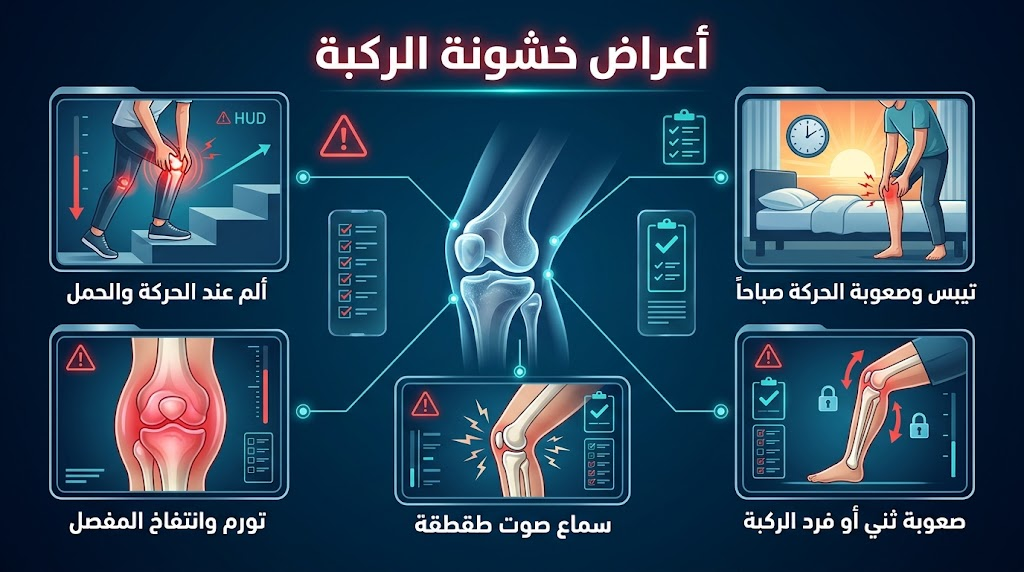
Symptoms of knee osteoarthritis include: pain that increases with movement and subsides with rest, morning stiffness lasting no more than 30 minutes, a clicking or popping sound when bending the knee (Crepitus), recurrent swelling, and difficulty climbing up and down stairs. Stiffness lasting more than 30 minutes warrants an evaluation for rheumatoid arthritis, not osteoarthritis.
Knee Osteoarthritis Exercises
The best treatment for knee osteoarthritis is strengthening the muscles surrounding the joint—especially the anterior and posterior thigh muscles (quadriceps and hamstrings)—to bear the pressure instead of the cartilage. These exercises can be done at home without equipment and should be practiced daily or every other day.
Quadriceps Strengthening Exercises (Anterior Thigh)
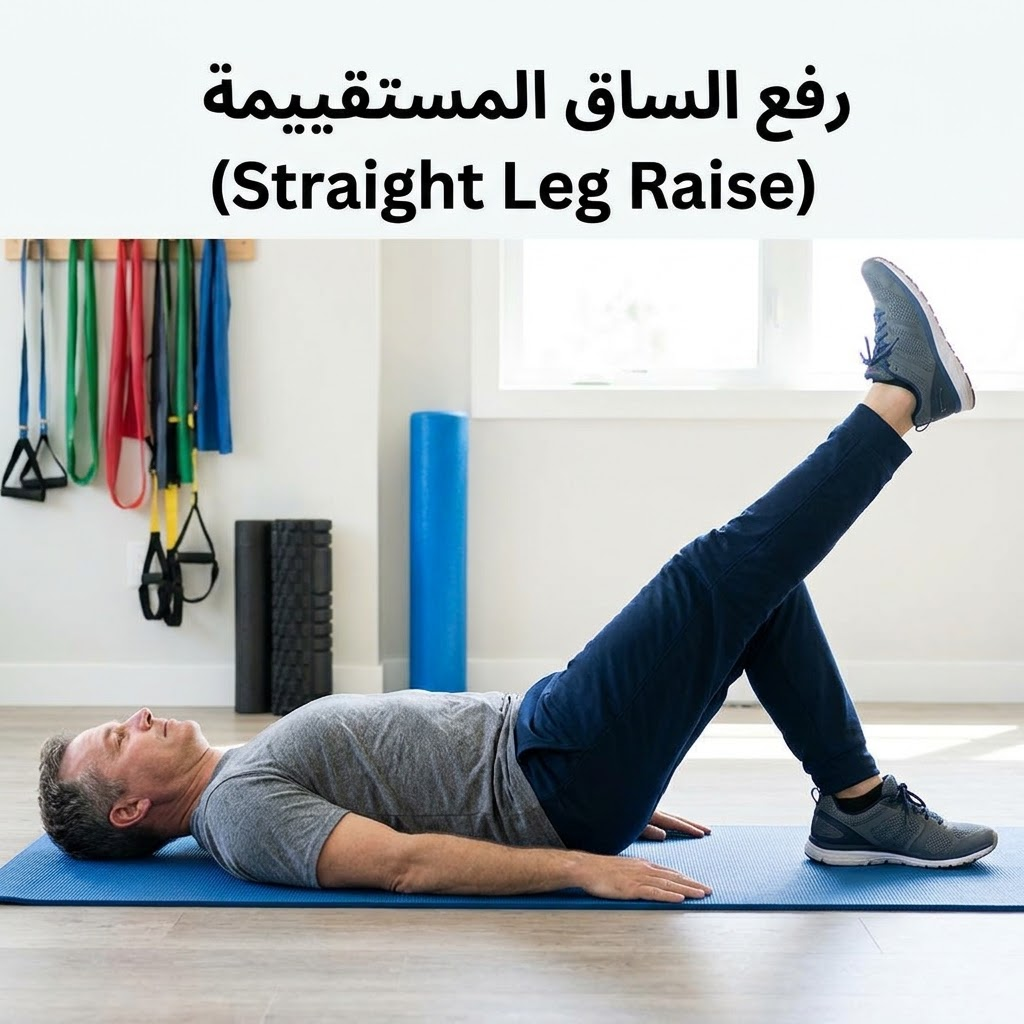
- Straight Leg Raise
- Position: Lie on your back, with the other knee bent and the foot flat on the floor.
- Movement: Tighten your thigh muscle and raise the straight leg until it is level with the other knee.
- Hold: 5 seconds — lower slowly.
- Repetitions: 15 reps × 3 sets per leg.
- Benefit: Strengthens the front of the thigh without placing pressure on the joint.
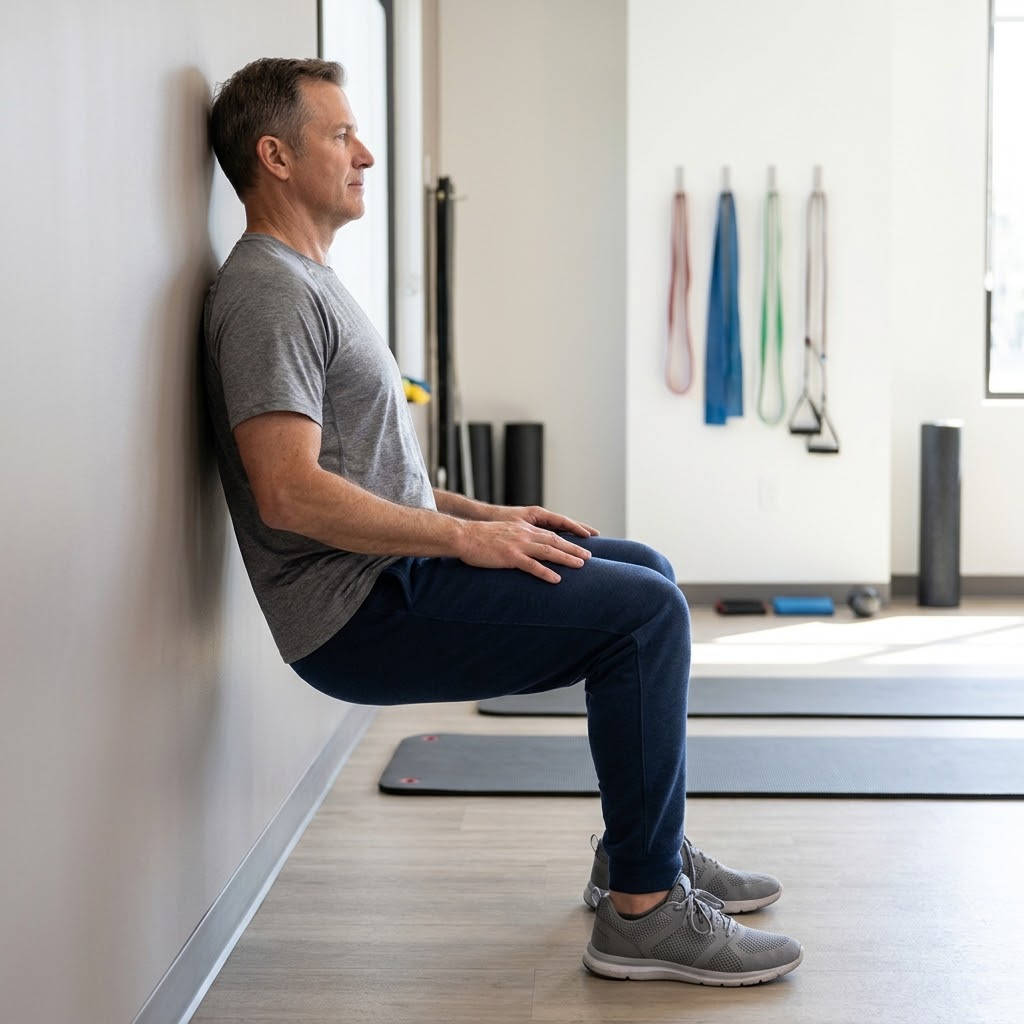
- Wall Squat / Wall Slide
- Position: Stand with your back against the wall, feet placed about 30 cm away from it.
- Movement: Slide down the wall until your knees reach only a 45-degree angle (do not exceed 90 degrees).
- Hold: 10 seconds — rise slowly.
- Repetitions: 10 reps × 3 sets.
- Warning: Stop the exercise if you feel pain behind the kneecap.
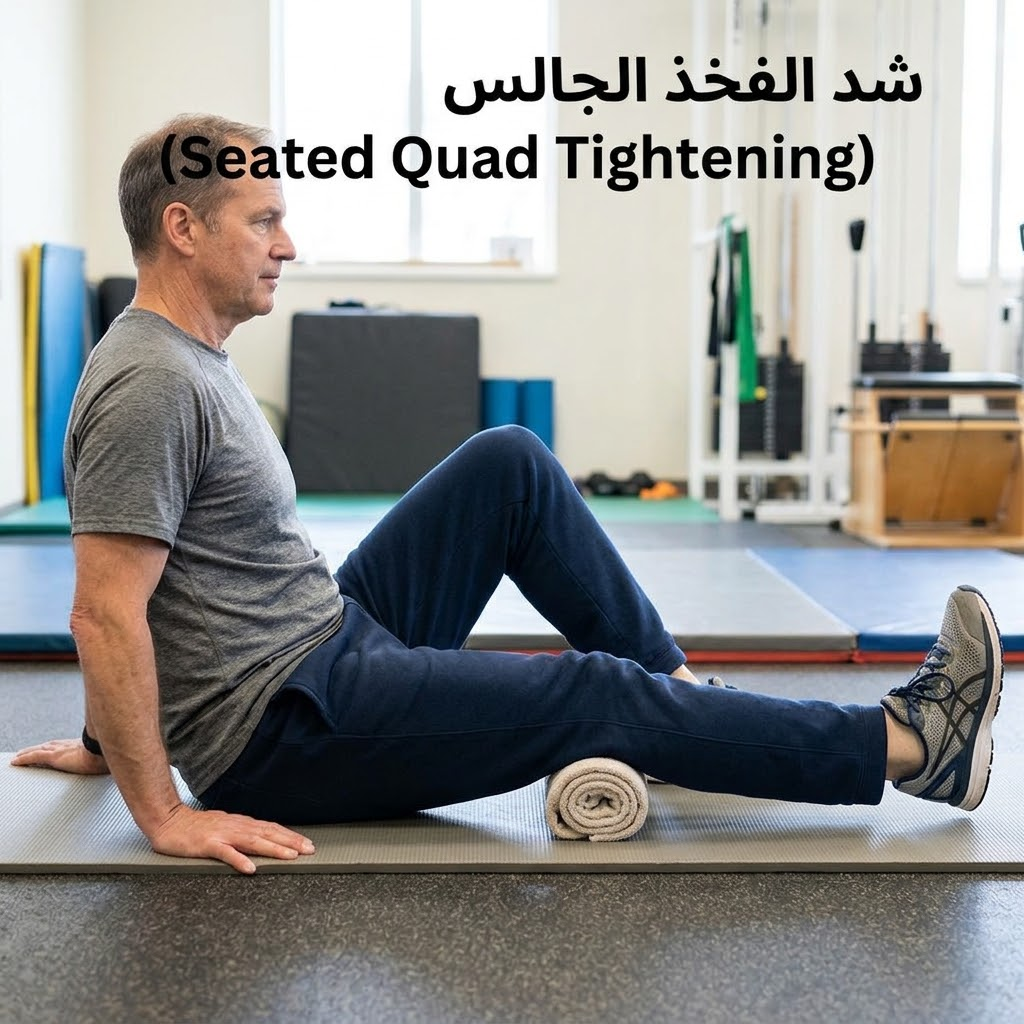
- Seated Quad Tightening
- Position: Sit on a chair with your leg extended straight in front of you.
- Movement: Squeeze your thigh muscle firmly and press the back of your knee downward.
- Hold: 10 seconds.
- Repetitions: 20 reps × 3 sets — highly suitable for desk work.
Hamstrings and Glutes Strengthening Exercises (Posterior Thigh)
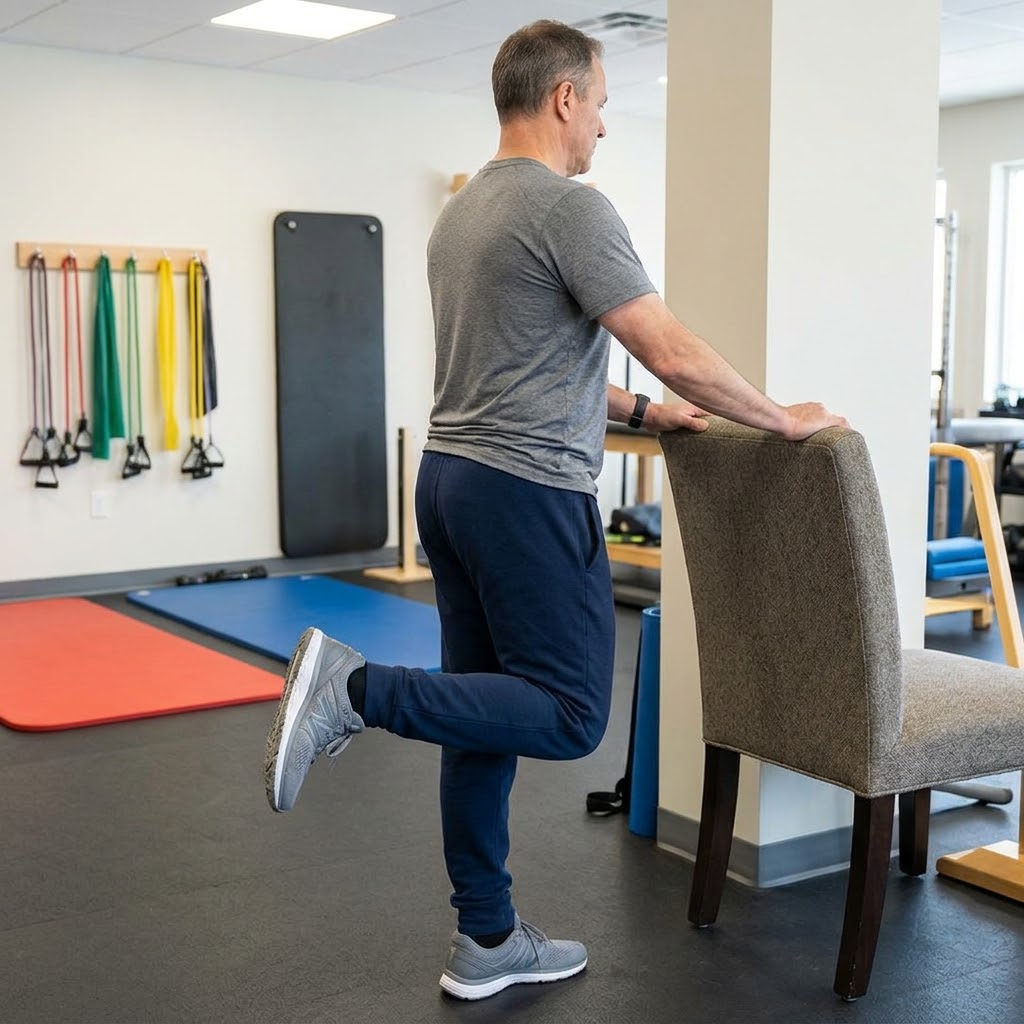
- Standing Hamstring Curl
- Position: Stand straight while holding onto a chair for stability.
- Movement: Bend your knee backward, slowly lifting your foot toward your buttocks.
- Hold: 5 seconds — lower slowly.
- Repetitions: 15 reps × 3 sets per leg.
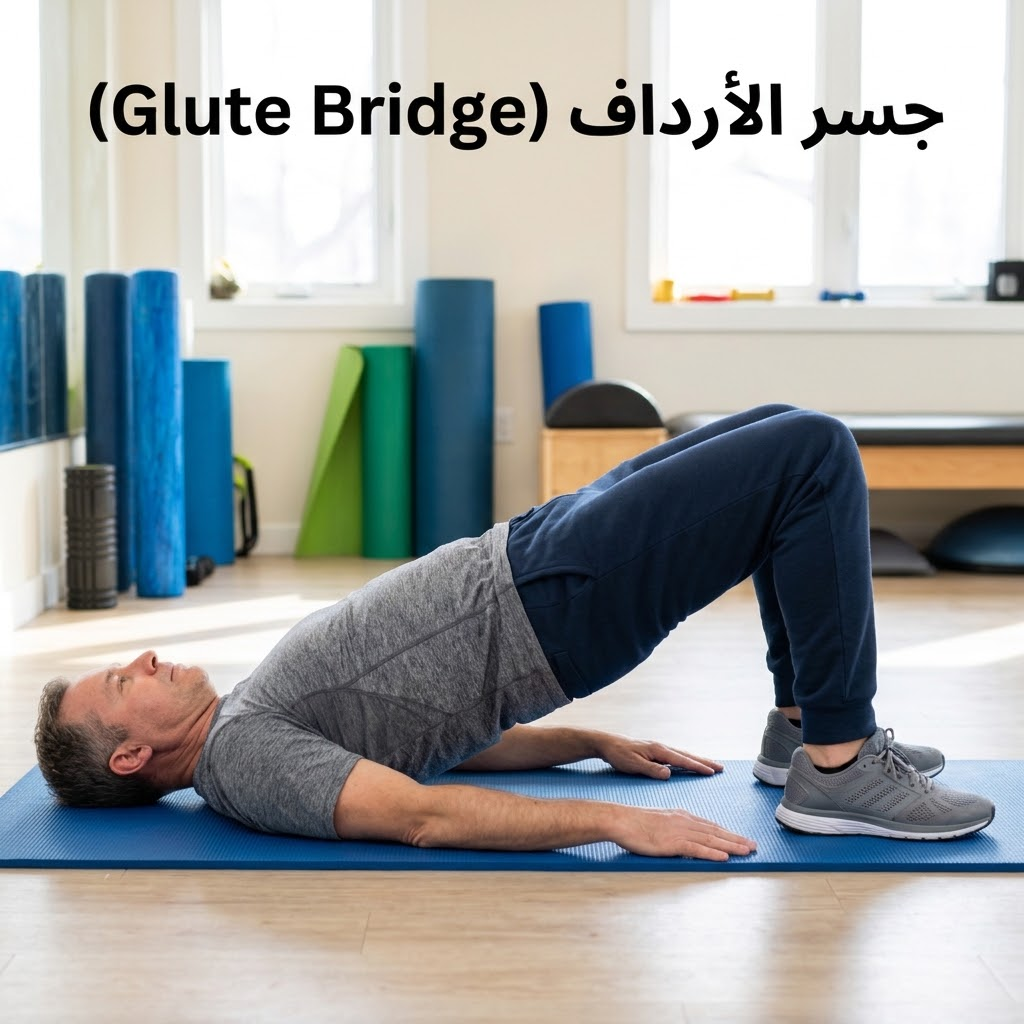
- Glute Bridge
- Position: Lie on your back, knees bent, and feet flat on the floor.
- Movement: Lift your pelvis toward the ceiling until your body forms a straight line from your knees to your shoulders.
- Hold: 5 seconds — lower slowly.
- Repetitions: 15 reps × 3 sets.
- Benefit: Simultaneously strengthens the glutes, hamstrings, and core.
Stretching and Flexibility Exercises
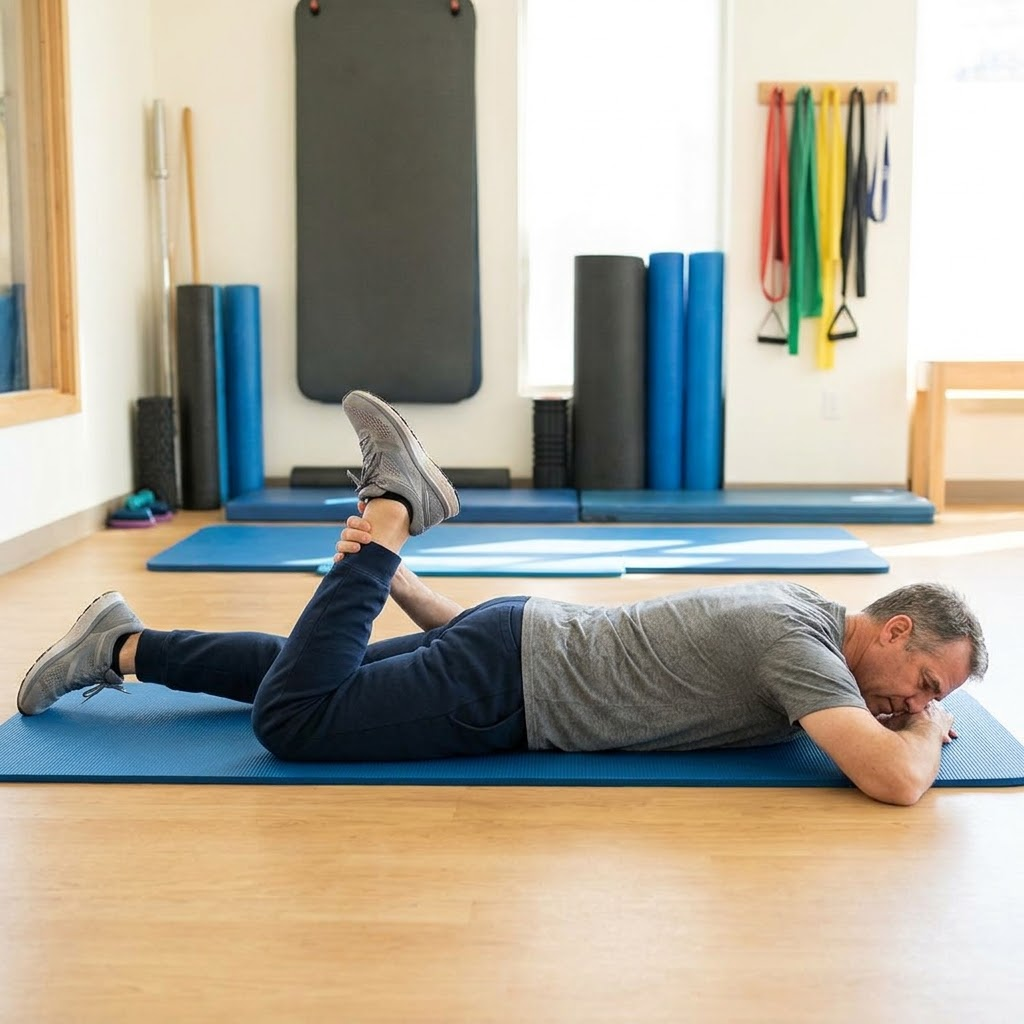
- Prone Quad Stretch
- Position: Lie on your stomach.
- Movement: Bend your knee and use your hand to pull your foot toward your buttocks until you feel a gentle stretch in the front of your thigh.
- Hold: 30 seconds.
- Repetitions: 3 times per leg.
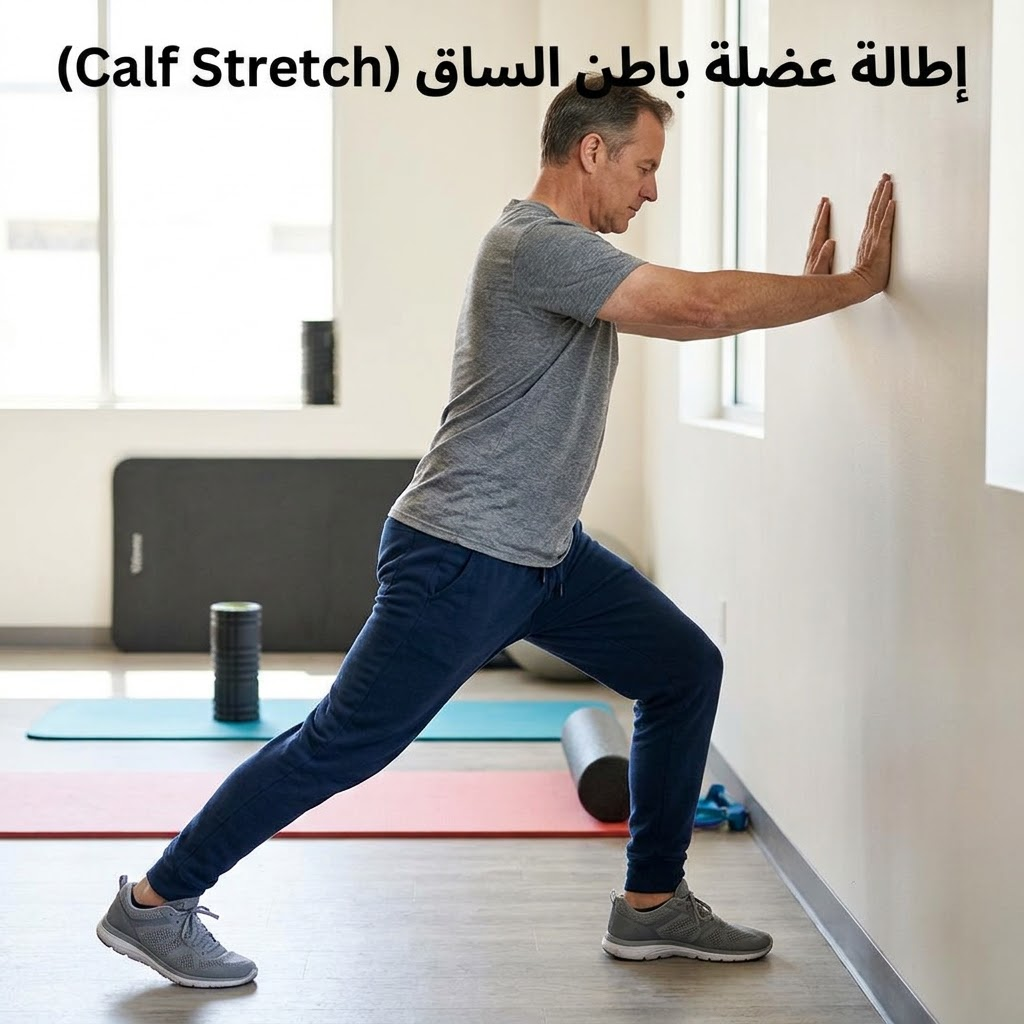
- Calf Stretch
- Position: Stand facing a wall and place your hands on it.
- Movement: Keep your back leg completely straight and press your heel down into the floor.
- Hold: 30 seconds.
- Repetitions: 3 times per leg.
Balance and Stability Exercises
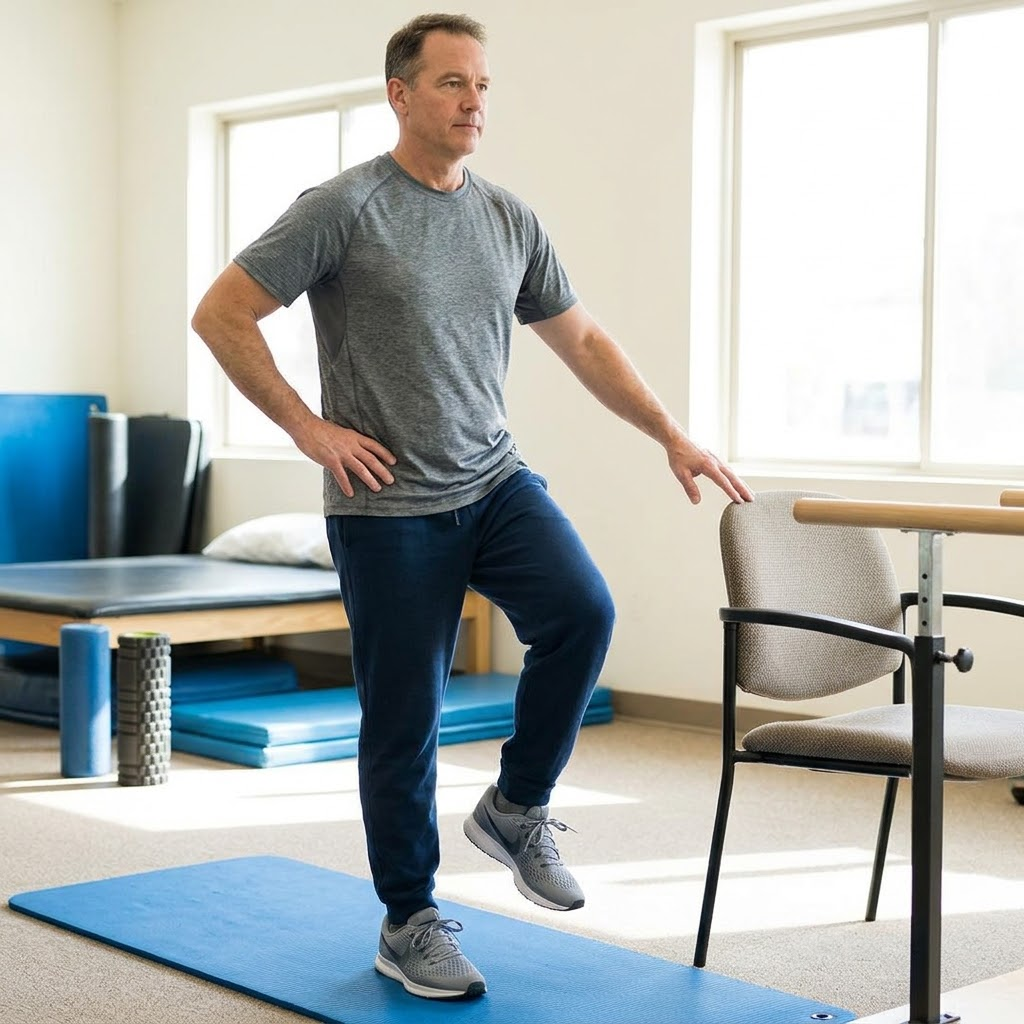
- Single Leg Stand
- Position: Stand next to a chair for safety.
- Movement: Slowly lift one foot off the ground and maintain your balance.
- Duration: 30 seconds per leg.
- Repetitions: 3 times — improves joint stability and reduces the risk of falling.
Forbidden Exercises in Knee Osteoarthritis
- Sitting on the floor (full squat): Doubles the pressure on the cartilage.
- Unnecessary stair climbing: Especially during acute flare-ups.
- Running on asphalt: Generates repetitive shocks that the eroded cartilage cannot withstand.
- Prolonged standing for hours: Increases the cumulative load on the joint.
- Jump Squats: Strictly forbidden in all stages of osteoarthritis.
The Role of Physical Therapy in Knee Osteoarthritis
Specialized physical therapy reduces knee osteoarthritis pain and improves motor function without surgery for many patients. It is the first-line treatment before knee injections or surgery, according to the 2019 guidelines by OARSI and ACR.
What a specialized physical therapist provides:
- TENS (Electrical Stimulation): Blocks nerve pain signals and relaxes the joint.
- Therapeutic Ultrasound: Enhances blood flow and accelerates healing.
- Gait Correction: Adjusts pressure distribution on the joint during movement.
- Taping and Compression: Supports the patella and stabilizes the correct axis of the knee.
- Customized Exercise Program: Tailored to the degree of osteoarthritis and whether the condition is in an acute or chronic stage.
Treating Knee Osteoarthritis with Herbs
There is no scientific evidence that herbs regenerate lost cartilage, but some can alleviate pain and inflammation as an adjunctive therapy, not a medical replacement.
| Herb | Active Ingredient | Documented Effect | Method of Use |
| Turmeric | Curcumin | Anti-inflammatory — reduces CRP | One teaspoon daily with black pepper |
| Ginger | Gingerols | Natural pain reliever | Daily ginger tea |
| Frankincense (Boswellia) | Boswellic acids | Slows cartilage destruction (preliminary studies) | Standardized extract |
| Fenugreek | Saponins | Mild anti-inflammatory | Soak seeds overnight and drink the water in the morning |
Warning: High doses of turmeric can impair blood clotting — consult your doctor if you are taking anticoagulants.
Treatment of Knee Osteoarthritis: Other Options
- Weight Loss: Every 5 kg lost relieves about 20 kg of pressure on each knee.
- Painkillers (NSAIDs): Such as Ibuprofen and Diclofenac to reduce acute inflammation.
- Knee Injections: Cortisone, Hyaluronic Acid, PRP — depending on the degree of osteoarthritis.
- Walking Cane: Shifts pressure away from the affected knee.
- Total Knee Arthroplasty (TKA): Reserved for Grade IV only after conservative options have failed.

Frequently Asked Questions: Knee Osteoarthritis Exercises
How does targeted exercise improve knee osteoarthritis symptoms?
Therapeutic exercise functions as an organic shock absorber for the arthritic joint:
- Mechanical Offloading: Strengthening the quadriceps, hamstrings, and hip stabilizers redistributes weight-bearing forces away from eroded cartilage surfaces.
- Synovial Circulation: Continuous cyclic compression and relaxation draws nutrient-rich synovial fluid into avascular articular cartilage, promoting lubrication and clearing inflammatory catabolic enzymes.
- Stiffness Reduction: Preserves periarticular capsular elasticity and helps prevent painful flexion contractures.
What are the most effective strengthening exercises for knee osteoarthritis?
Evidence-based programs prioritize low-joint-stress strengthening movements:
- Isometric Quadriceps Sets: Contracting the anterior thigh against a small rolled towel beneath the knee to reactivate the vastus medialis without joint motion.
- Straight Leg Raises (SLR): Elevating the extended leg in a supine position to isolate the hip flexors and quadriceps without articular friction.
- Shallow Wall Slides: Mini-squats restricted between 0° and 45° of flexion with the back supported to activate the extensor chain safely.
- Glute Bridges & Clamshells: Targeted conditioning for the gluteus medius and maximus to control coronal plane femoral alignment.
Which exercises and movements should be avoided with knee osteoarthritis?
To prevent acute chondral overload and secondary reactive synovitis, avoid:
- Deep Squats & Lunges: Flexing past 90° exponentially elevates patellofemoral contact pressure and posterior meniscal horn shearing.
- High-Impact Ballistics: Running on asphalt, jump-rope drills, or step aerobics that induce high peak ground-reaction forces.
- Open-Chain Machine Extensions with Heavy Resistance: Heavy leg extension machines impose maximum shear force on the patellofemoral joint between 0° and 30°.
- Sudden Deceleration / Cutting: Sharp lateral directional changes that challenge compromised collateral and cruciate stabilizers.
Why are low-impact aerobic exercises recommended alongside strengthening?
Low-impact aerobics (such as stationary upright cycling, elliptical training, and lap swimming) complement resistance training by:
- Supporting sustainable caloric expenditure to lower systemic body weight (every pound of body weight lost removes roughly 4 pounds of compressive force per step).
- Elevating systemic beta-endorphins, which naturally blunt chronic osteoarthritic nociceptive signaling.
- Enhancing microvascular perfusion throughout subchondral bone and surrounding capsuloligamentous structures.
How often and for how long should knee osteoarthritis exercises be performed?
An optimal rehabilitation dosage follows clinical consensus recommendations:
- Resistance Strengthening: 3 to 4 non-consecutive days weekly; perform 2–3 sets of 10–15 controlled repetitions per exercise.
- Aerobic Conditioning: Accumulate 150 minutes of moderate-intensity activity (e.g., 30 minutes, 5 days per week) on a stationary bike or flat track.
- Flexibility / Mobility: Daily static stretching held for 20–30 seconds per muscle group, ideally following warm-up or resistance work.
Is it normal to feel pain during or after exercising with knee arthritis?
Clinicians employ the 24-Hour Rule to monitor load tolerance. Mild joint discomfort or muscle burn rated ≤3/10 on the visual analog scale that returns to baseline within 2 hours of completion is safe and therapeutic. Conversely, sharp “knife-like” mechanical catching, visible effusion (swelling), or pain lasting beyond 24 hours indicates mechanical overload, requiring immediate reduction in volume, resistance, or range of motion.
Why is hip and core strengthening essential for knee osteoarthritis?
The knee functions as an anatomical intermediate joint between the hip and ankle. Weakness in the pelvic abductor complex (specifically the gluteus medius) causes contralateral pelvic drop (Trendelenburg sign) and dynamic inward knee collapse (valgus deviation). By restoring hip strength and core stability, the mechanical loading vector remains centralized through the center of the knee joint, mitigating focal wear.
What role does aquatic therapy (hydrotherapy) play in knee rehabilitation?
Aquatic exercise is particularly beneficial for patients with advanced (Kellgren-Lawrence Grade 3 or 4) osteoarthritis who cannot tolerate land-based loading. Chest-deep water reduces joint gravitational loading by roughly 70% to 80%, allowing closed-chain squats, aquatic gait drills, and active knee flexion-extension without mechanical friction. The thermal properties of heated pools also relax hypertonic musculature.
How do flexibility and range-of-motion exercises protect arthritic knees?
Chronic knee inflammation triggers protective muscular spasm, leading to soft-tissue contractures. Tight hamstrings prevent full terminal extension, causing patients to walk with a persistent crouch that increases patellofemoral compressive force by up to 50%. Regular, controlled stretching of the hamstrings, quadriceps, calf complex, and iliotibial band re-establishes normal joint excursion and reduces gait fatigue.
How quickly can patients expect measurable functional improvements from an exercise regimen?
Early functional gains typically follow a two-phase trajectory:
- Weeks 2 to 4: Improved neural recruitment, diminished morning joint stiffness, and better tolerance for daily ambulatory activities.
- Weeks 6 to 12: Measurable muscular hypertrophy, increased quadriceps torque, enhanced stair-climbing capacity, and clinically meaningful decreases in standardized arthritis disability indices (e.g., WOMAC and KOOS scores).
refenceses
- American Academy of Orthopaedic Surgeons (AAOS), OrthoInfo: Knee Conditioning Program
- American Academy of Orthopaedic Surgeons (AAOS), OrthoInfo: Arthritis of the Knee
- Bannuru R, et al. OARSI guidelines for the non-surgical management of knee, hip, and polyarticular osteoarthritis. Osteoarthritis and Cartilage. 2019;27:1578-1589. doi:10.1016/j.joca.2019.06.011
- Kolasinski SL, et al. 2019 American College of Rheumatology/Arthritis Foundation guideline for the management of osteoarthritis of the hand, hip, and knee. Arthritis Rheumatol. 2020;72(2):220-233. doi:10.1002/art.41142